
When a soldier on duty calls for help on the radio, Turant verifies their voice in seconds — so help reaches your soldier, never an impostor.
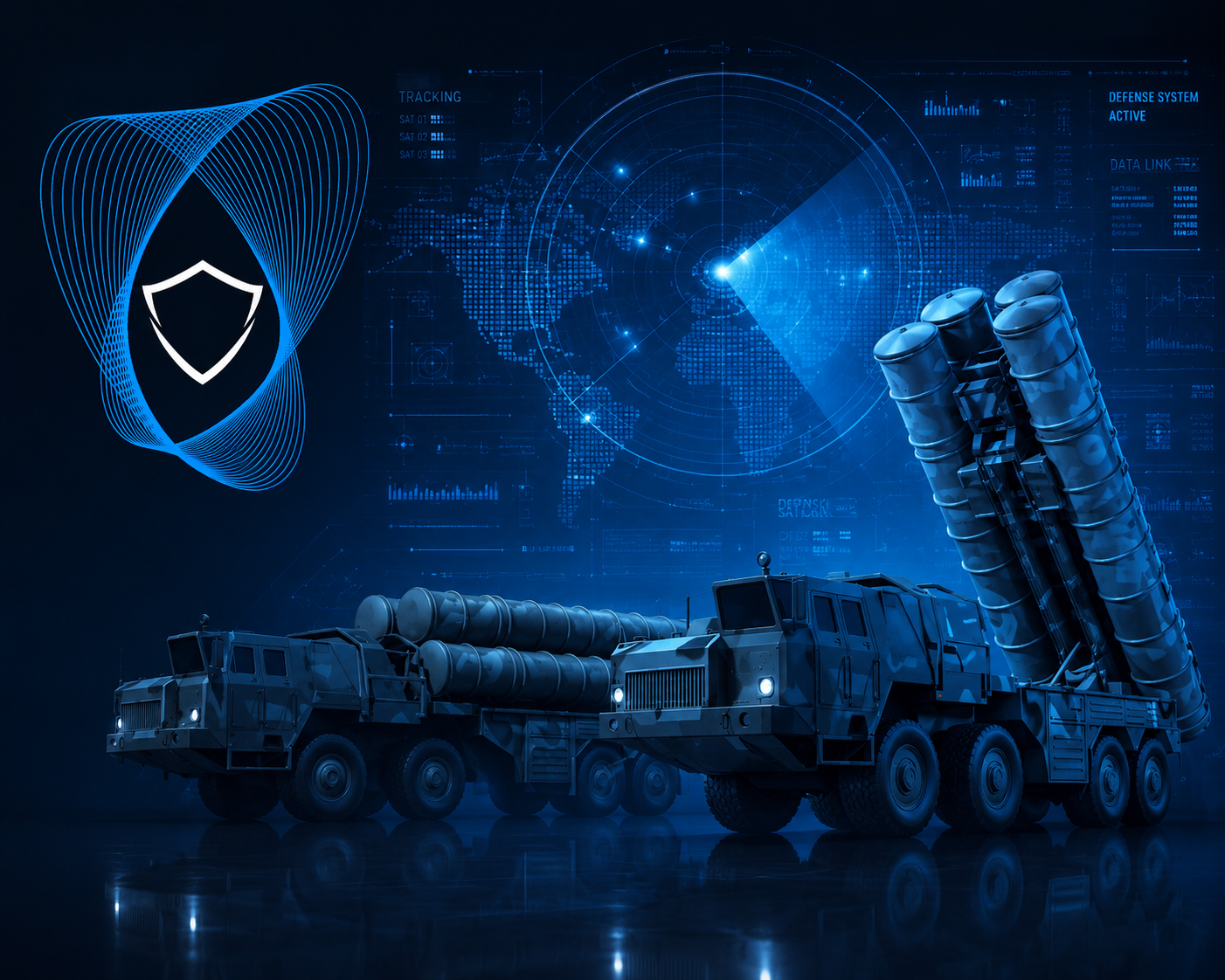
When help is requested over the air, command has to decide in seconds whether the voice on the other end is really their soldier.
Radio channels can be overheard or tapped. The enemy can hear voices, names, and call signs.
A trained voice — or an AI-cloned one — can call for help, divert teams, or pull units into a trap.
Sending help to the wrong place, or to no one at all, has real consequences in the field.
Six simple things Turant does so command can trust the voice on the radio.
The soldier speaks, Turant confirms it's really them. No badges, no passwords.
Verification runs on the device. Logs sync when the network is back.
Tells a real, live voice apart from recordings or AI-generated copies.
Fast enough to act on — no delay between the call for help and the dispatch.
Every verified call is recorded so command can review who called and when.
Share verified identity across teams or allied forces when operations call for it.
The kinds of things command worries about when help is requested over the air — and how Turant handles each.
Someone on the channel calls for help in a familiar voice, trying to divert your team.
The voice is checked against your unit's roster. If it doesn't match, command knows immediately.
A copied voice — made from a clip the enemy captured — is used to fake a request.
Liveness checks tell a real, live voice apart from a cloned or synthetic one.
An attacker plays back a recording of your soldier's voice to fool the system.
Every call asks for something fresh to be said. Old recordings won't pass.
An enemy captures a radio or token and tries to call in with it.
The voice still has to match. Equipment alone is not enough to get help dispatched.
The soldier is in an area with no signal, but still needs to be verified.
Verification runs on the device. The call log syncs to command when the network is back.
A captured soldier is forced to speak so the enemy can pull help to a chosen spot.
Stress and pre-agreed signal phrases can flag a call as suspicious for command review.
Five quick steps from a soldier pressing the radio to help being sent to the right place.
From a single handset to a full agency, Turant fits the team.
Book a short demo and see Turant verify a soldier calling for help, even with the network turned off.
Book a Demo